
People ask whether insurance pays for water damage, and the honest answer is that it depends. It depends on where the water came from, how fast it arrived, what your policy says and what you did after you found it. We are a restoration company, not an insurer, so we cannot tell you what a claim will pay. We can explain the questions that matter and what to document.
This guide is general information. Policies differ, and your insurer or agent is the only one who can decide your coverage. Use this to prepare questions before you call them.
The Question That Matters Most: Where Did the Water Come From?
Insurers often sort water losses by source. The same room with the same damage can be treated differently depending on the cause. These are the common categories to ask about.
| Source of water | Often asked by insurers | What to check in your policy |
|---|---|---|
| Sudden pipe burst or appliance failure | Was it sudden and accidental? | Language on sudden and accidental discharge |
| Slow leak or seepage over time | How long did it go on? | Exclusions for continuous or repeated seepage |
| Roof leak after a storm | Was the roof in good repair? | Wind and weather coverage, maintenance conditions |
| Sewer or drain backup | Is backup covered? | Whether a separate backup endorsement applies |
| Rising water, flood, surface water | Is flood covered? | Standard policies often exclude flood, check for separate flood coverage |
These are questions to ask, not predictions about any claim.
Many people are surprised to learn that flood and sewer backup are often handled separately from a standard homeowners or renters policy. The National Flood Insurance Program offers flood coverage, and private flood policies exist as well. Ask your agent which coverage you actually have, before you need it.
What to Do in the First Hours
- Make the situation safe. Shut off the water if you can, stay away from electrical hazards and call 911 for gas or electrical danger.
- Photograph and film everything before cleanup. Show the source if you can, the standing water, the damaged items and the rooms around them.
- Call your insurer or agent and ask how to start a claim. Ask what they require and what you are allowed to do before an adjuster visits.
- Take reasonable steps to prevent further damage. Many policies expect you to limit losses, which can include extraction and drying.
- Keep damaged items if the insurer asks to see them, and write down what you discard.
- Keep a log of calls, names, dates and what was said.
Mitigation matters. Many policies ask the policyholder to protect the property from further damage once a loss occurs. Waiting days for an adjuster while water sits can add damage that an insurer may question. Ask your insurer directly what they expect, and tell the restoration company so the work can be documented.
Water is still spreading? Call the 24/7 line now, then call your insurer. Photos first, then extraction.
☎ Call (301) 936-0619What Documentation Helps
- Dated photographs and video of the damage, the source and the affected rooms.
- Moisture readings, drying logs and equipment lists from the restoration company.
- A written scope of work that explains what was removed, dried and cleaned.
- An inventory of damaged belongings, with age and approximate value if you can estimate them.
- Receipts for emergency expenses, such as hotel stays or equipment.
- Notes on when you first noticed the problem and what you did next.
A restoration company documents the work, but it is the insurer who decides coverage. Be careful of anyone who promises that a claim will be paid. Nobody but the insurer can know that.
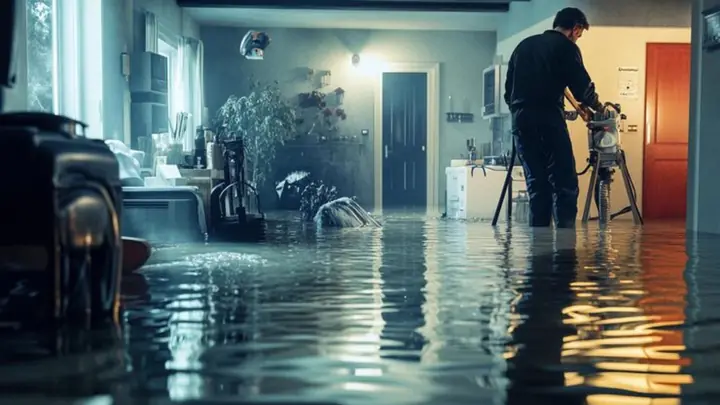
What a documented College Park loss looks like
On September 10, 2020, a heavy rain event flooded parts of Calvert Hills. According to City Council minutes from January 11, 2021, a councilmember described stormwater flowing into houses and, in some cases, sewage backing up through toilets, drains and sinks.
WSSC staff told the council that residents should call so the utility can investigate, and that photos and video of the damage are worth taking first. That advice applies to any claim. Document first, then clean.
Renters and Landlords
A renter's policy usually covers belongings and living expenses under certain conditions, while the building is the landlord's responsibility. Tell your landlord in writing right away, keep a copy and ask your own insurer how to proceed. If a neighbor's leak damaged your unit, ask both insurers how responsibility is handled.
If you are in a co-op or condo, the association's master policy and your own policy may split responsibility in specific ways. Ask your association which repairs it handles and which are yours.
Common Mistakes That Complicate a Claim
- Throwing away damaged items before photographing them or writing them down.
- Waiting several days to report the loss, which can raise questions about when it started.
- Signing a work authorization or a settlement before reading the scope.
- Starting repairs before the drying records are complete.
- Assuming a verbal promise from anyone is the same as written confirmation from the insurer.
Most of these are easy to avoid with a little notice. Ask questions early, write down the answers and keep everything in one folder, on paper or on your phone.
Working With an Adjuster
An adjuster evaluates the loss for the insurer. Be present if you can, walk through the damage, show your photographs and provide the drying records. If you disagree with the scope, ask in writing what the policy language says and what evidence would change the decision. Keep your tone factual and your records organized.
You can usually choose your own restoration company, though some insurers have preferred vendors. Ask your insurer what applies. The Maryland Insurance Administration is the state agency that oversees insurance companies in Maryland, and it publishes consumer information if you have a complaint or a question about your rights.
Before You Need Coverage: Questions for Your Agent
- Does my policy cover sudden pipe bursts and appliance leaks, and what are the exclusions for slow leaks?
- Do I have sewer or drain backup coverage, and what is the limit?
- Do I have flood coverage, and is my address in a mapped flood area?
- What are my deductibles, and do any differ by type of water loss?
- What does the policy expect me to do to limit further damage after a loss?
For a flood question about your own address, check the FEMA flood map and ask your insurer about flood coverage. We do not guess at flood zones. Our flood damage restoration page explains how contaminated water is handled, and water damage cleanup covers what follows. If you live in Hyattsville or Greenbelt, the same documentation advice applies.
Need documentation for a claim? Call the 24/7 line and ask what we record on every job.
☎ Call (301) 936-0619Insurance and Water Damage Questions
Often for sudden and accidental events, but not always, and it may exclude flood, sewer backup or long-term seepage unless you have added coverage. Check your policy and ask your agent.
Take photographs first, and limit further damage. Ask your insurer what they expect, because many policies require reasonable steps to prevent more loss.
No. Your insurer decides coverage. We document the loss with photographs, readings and a written scope.
Policies vary. You can usually choose your own company, but ask your insurer whether any rules apply.
Call the utility if sewage is involved, take photos and video, call your insurer, and call us for extraction and drying. Document first, then clean.