
A flooded home is an emergency, and the 24/7 line is open now. Stay out of flood water and keep children and pets away. Do not touch electrical equipment that is wet or near water, and call the electric utility or 911 if the panel or outlets are under or near it. Take photos from the dry edge if you can.
Flood damage restoration in College Park deals with water that enters from outside or from the sewer, rather than from a supply line. It includes extraction, removal of contaminated materials, sanitizing and drying. Because flood water can carry sewage and runoff, the rules are stricter than for a clean leak, and the work is slower and more careful.
Flood Water Is Contaminated Water
Under the S500 standard, flood water from rivers and streams, and sewage, are Category 3. That means treating the water as grossly contaminated. Porous materials such as carpet, pad, insulation and drywall that were soaked in it are usually removed, and the structure is cleaned, sanitized and dried before rebuilding.
Even floodwater that looks clear can carry contamination from roads, yards and drains. Treat all flood water as unsafe until a professional says otherwise. Do not run household fans or a regular vacuum in it, and do not move through it barefoot.
Basement Flooding Cleanup
Basements flood from three directions. Stormwater can push in through windows, doors and foundation cracks. Groundwater can rise through the floor. Sewage can back up through floor drains and toilets when the system is overwhelmed. The source matters because it decides the water category and the cleanup plan.
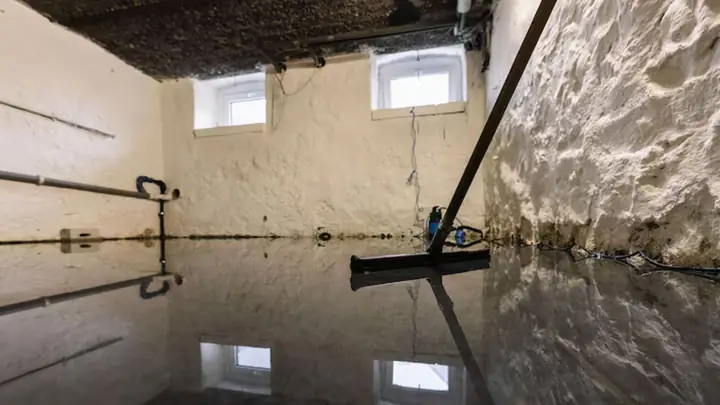
A crew pumps the water out in stages so that the foundation is not stressed by emptying too fast, removes wet carpet, pad and lower drywall, and then sets drying equipment. Storage boxes and furniture on the floor are the usual casualties. Move what you can to a dry area after taking photos.
Water in your basement now? Call the 24/7 line and we will explain what to do first.
☎ Call (301) 936-0619Sewage Backup Cleanup
If water is coming out of a floor drain, toilet or tub, assume it is sewage. A sewer backup is Category 3 water, and the cleanup includes removing porous materials, sanitizing and drying. Keep people and pets away and call before you start cleaning.
WSSC Water says the property owner maintains the sewer service from the property line to the building, and WSSC maintains the main. WSSC's 24-hour sewer backup line is 301-206-4002. WSSC also says that homeowners should get estimates from WSSC-registered plumbers if the blockage is on the homeowner's side. Photos and video before cleanup help both the utility and your insurer.
Crawl Space and Whole-House Flooding
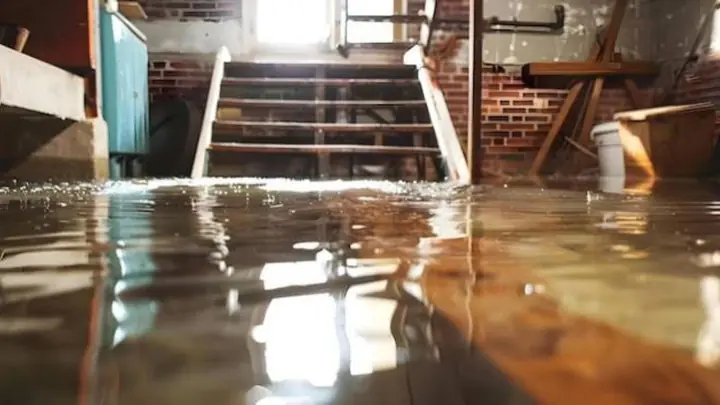
A flooded crawl space is easy to ignore because it is out of sight, but wet insulation and wood framing keep moisture against the floor above. Standing water is pumped out, wet insulation is removed, and the space is dried and checked. When water covers an entire floor of a house, the job is larger and the removal list is longer, but the stages stay the same.
Flood Damage and Insurance: A General Guide
The Maryland Insurance Administration says homeowners policies generally do not cover flooding, and that flood coverage is a separate policy such as one from the National Flood Insurance Program. Sewer and drain backup usually requires its own endorsement, and Maryland law requires insurers to offer that coverage. Seepage through foundation walls is treated as a maintenance issue and is generally not covered.
Prince George's County notes there is usually a 30-day waiting period before NFIP coverage takes effect, so the time to check is before a storm. Look up your address on the FEMA flood map, and ask your insurer. We document the damage and your insurer decides coverage.
College Park Flood Context: Two Creeks and Older Drainage
The city straddles Paint Branch and Indian Creek, which meet in the southeast corner of the city to form the Northeast Branch of the Anacostia River. On September 10, 2020, a heavy rain event flooded parts of Calvert Hills, and City Council minutes from January 11, 2021 describe stormwater entering houses and sewage backflow through drains.
Prince George's County's Department of the Environment has a Calvert Hills storm drainage project with culvert upgrades along Guilford Road and an underground stormwater vault in Calvert Park. The County says the project is not a solution to all flood events, so a heavy storm can still cause flooding. For a specific property, check the FEMA flood map and ask the County's Department of Permitting, Inspections and Enforcement, which also helps review floodplain information.
What Drives the Cost of Flood Restoration
Flood work is priced by the water category, the depth and area affected, the materials that must be removed, and the drying and sanitizing time. Because Category 3 water changes what can be saved, flood jobs tend to be larger than clean-water leaks. No exact prices are posted here, and scope and price are explained before work starts.
After a flood, water damage cleanup covers removal and sanitizing, and water mitigation covers the drying stage. If flood water reached a finished space, mold remediation may follow. Neighboring Greenbelt is served by the same crews.
Flood Damage Questions
Yes. The 24/7 line answers nights, weekends and holidays. Call (301) 936-0619. Same-day response is offered when available, and an arrival time is not guaranteed on the phone. If you have standing water and electrical risk, call the utility or 911 first.
Yes. Flood water and sewage are Category 3 in the S500 standard, which means grossly contaminated. Porous materials soaked in it are usually removed instead of cleaned.
Generally not. The Maryland Insurance Administration says homeowners policies generally do not cover flooding and that separate flood coverage is needed. Sewer and drain backup usually needs an endorsement. Check your policy and ask your insurer.
WSSC Water's 24-hour sewer backup line is 301-206-4002. WSSC says owners maintain the sewer service from the property line to the building. Call before cleaning so the backup can be documented, then call us for extraction and drying.
Use the FEMA flood map for your address, or call the County's Department of Permitting, Inspections and Enforcement, which helps review floodplain information. We do not guess at flood zones.