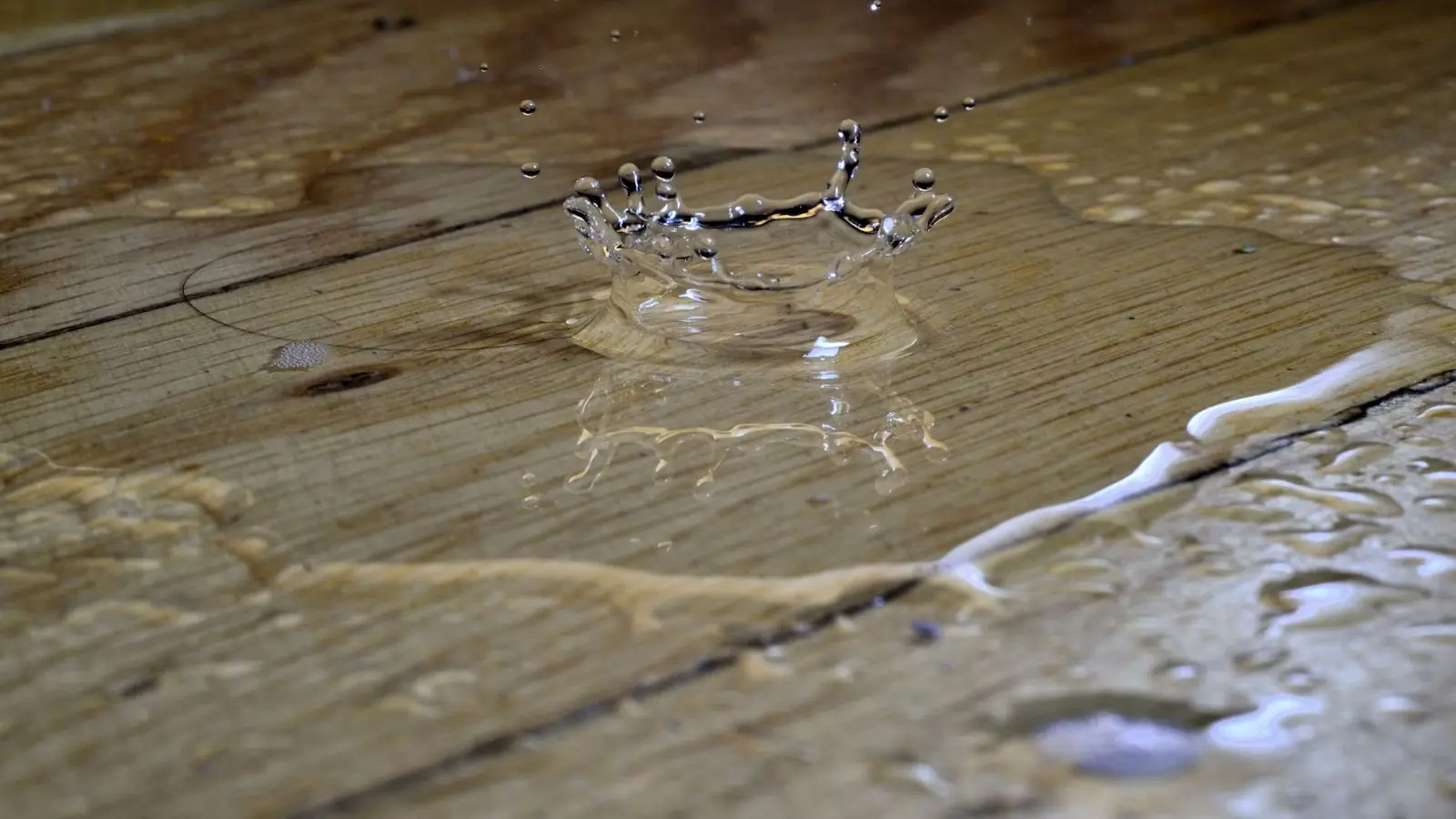
Hardwood is a natural material, and it reacts to water the way wood always does. It absorbs moisture, swells and moves. Whether a floor can be repaired depends less on how dramatic the damage looks and more on how much water the boards took in, how long they stayed wet and what is underneath them.
This guide focuses on repair options after the floor has been dried. If you are still deciding whether the floor can be saved at all, that is a separate question, and a technician with a moisture meter is the right person to answer it. Here we walk through what each repair path involves, what it costs in terms of effort and when it makes sense.
What Water Does to Hardwood
Wood absorbs water through its edges and underside much faster than through the finished top. A leak from above can sit on the surface for a while and cause little more than staining. A leak from below, such as one from a basement or a slab, pushes water into the underside of every board.
- Cupping. The edges of each board rise higher than the center. It happens when the underside absorbs more moisture than the top.
- Crowning. The center rises higher than the edges. It often shows up after a cupped floor is sanded before it has fully dried.
- Buckling. Boards lift away from the subfloor and may come loose. This signals a lot of water and usually means replacement of those boards.
- Gaps. After drying, boards shrink and may leave visible gaps at the seams.
- Staining. Gray or black marks can mean water sat on the surface or that the finish failed. Dark staining that goes through the board is harder to remove.
Step One: Dry Before You Repair
No repair path works until the floor and the subfloor have returned to normal moisture. Wood that is sanded or refinished while still wet will move again, and any new finish can trap moisture and fail. Drying a hardwood floor can take days, and it often involves special mats or panels that pull moisture from the boards, along with air movers and dehumidifiers.
Technicians use a moisture meter to check several points on the floor and compare them with a reference reading from a dry area of the same wood. The goal is to match that reference. Rushing this step is the most common reason a repaired floor fails later. Our water mitigation page explains the drying process in more detail.
Repair Path Comparison
| Repair path | Best for | What is involved | Limits |
|---|---|---|---|
| Wait and monitor | Mild cupping after drying | Floor is dried and boards often flatten on their own over weeks | Does not fix permanent warping |
| Screen and recoat | Surface scratches and dull finish | A light abrasion and a new coat of finish | Does not repair stains that go into the wood |
| Sand and refinish | Light cupping, mild staining, minor gaps | Full sanding to level boards, then stain and finish | Needs enough wood thickness above the nails |
| Board replacement | Buckled, split or deeply stained boards | Pull damaged boards and weave in new ones, then refinish the area | New boards may not match old color exactly |
| Full replacement | Widespread buckling or subfloor damage | Remove the floor, repair the subfloor, install new flooring | Highest effort and cost, longest timeline |
A technician and a flooring contractor decide the right path after drying.
Sand and Refinish: When It Works
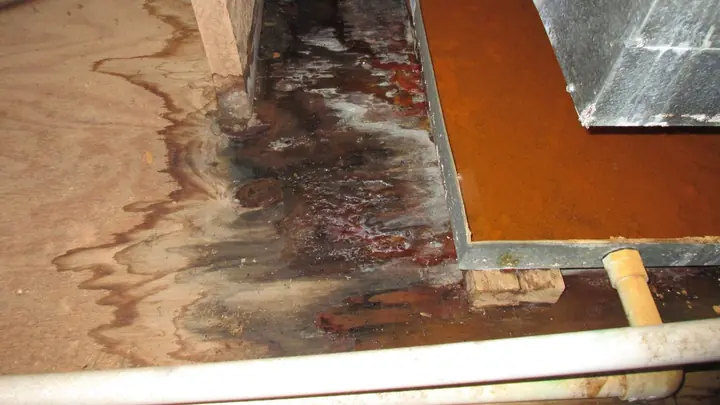
Sanding removes the top layer of wood and levels the boards, and it can erase light cupping and some staining. It only works if the boards are flat enough and thick enough. Solid hardwood can often handle several sandings over its life, while engineered flooring has a thin top layer that may allow only one light pass or none.
If a floor was sanded while still too wet, it can crown later. This is why the drying readings matter before any sander comes into the house. A reliable flooring contractor will ask what the moisture readings were, and a restoration company should be able to share them.
Not sure whether your floor is dry enough to refinish? Call and we will explain what readings to ask for.
☎ Call (301) 936-0619Board Replacement and Blending
When only a section is damaged, replacing boards can save the rest of the floor. A flooring pro cuts out the damaged boards, weaves new ones into the pattern and sands the whole area so the new wood and the old blend. Matching is the hard part. Older wood has aged and darkened, and a new board of the same species may look different until the whole room is finished.
Where a floor runs through several rooms with no break, blending often means refinishing past the repaired spot to a natural stopping point, such as a doorway. That adds to the job, but it avoids a visible patch.
Hardwood in Hyattsville's older houses
The Hyattsville Historic District holds late-1880s Victorian houses beside Sears bungalows and other early twentieth century homes. Older houses often have solid hardwood laid over wide plank subfloors, which can be refinished more than once.
If your house is in the historic district, ask the city whether exterior repairs need review before you start. Interior floor repair is usually a private matter, but check before you assume. See the Hyattsville page for more on local housing.
When Replacement Is the Honest Answer
Sometimes the floor cannot be saved. Widespread buckling, boards that have separated from the subfloor, a subfloor that stayed wet long enough to deteriorate and floors that have been exposed to contaminated water are all common reasons. A restoration company that tells you replacement is needed should show you the readings and the damaged boards that led to the decision.
Contaminated water changes things. Water from a sewage backup or a flood is treated differently from water from a clean supply line, because porous materials that absorb contaminated water are often removed rather than cleaned. Our flood damage restoration page explains that distinction, and the Greenbelt page shows how local conditions vary.
Questions to Ask a Flooring Contractor
- What were the moisture readings in the boards and in the subfloor, and how do they compare with a dry reference?
- Is the floor solid or engineered, and how much wearable wood remains above the nails or tongue?
- Will you test the repair area before refinishing, and how will you handle color matching?
- How far past the damaged area will the refinish extend?
- What happens if the floor moves again after the finish is applied?
Insurance and Documentation
Check your policy for how it treats flooring and water damage. Photographs of the floor before and after drying, the moisture readings and the written scope all support a claim. We document the work, and your insurer decides coverage. If a flooring contractor and your insurer disagree about repair versus replacement, the readings and photographs are what resolve it.
Hardwood damaged by a leak? Call the 24/7 line and tell us what the boards look like.
☎ Call (301) 936-0619Standards for Wet Flooring
How long wood has been wet and how it is dried follow ANSI/IICRC S500 principles. Ask whoever dries the floor to show moisture readings taken over several days, because readings are how drying is measured.
Hardwood Repair Questions
Mild cupping often improves after the floor dries slowly over weeks. Heavy cupping may leave permanent warping that needs sanding or board replacement. A technician reads moisture levels before any decision.
Until the boards and the subfloor match a dry reference reading. Sanding too early can cause crowning later. The time depends on how wet the floor got and how it was dried.
Often yes. A flooring pro weaves new boards into the pattern and refinishes the area. Color matching is the challenge, so ask how far the refinish will extend.
Sometimes. Engineered floors have a thin top layer, so sanding is limited. Damaged planks are often replaced rather than refinished.
The district applies mostly to exterior work, but check with the city before you start repairs. Interior floors in older houses are often solid wood that can be refinished, so ask a flooring contractor to measure the wear layer.