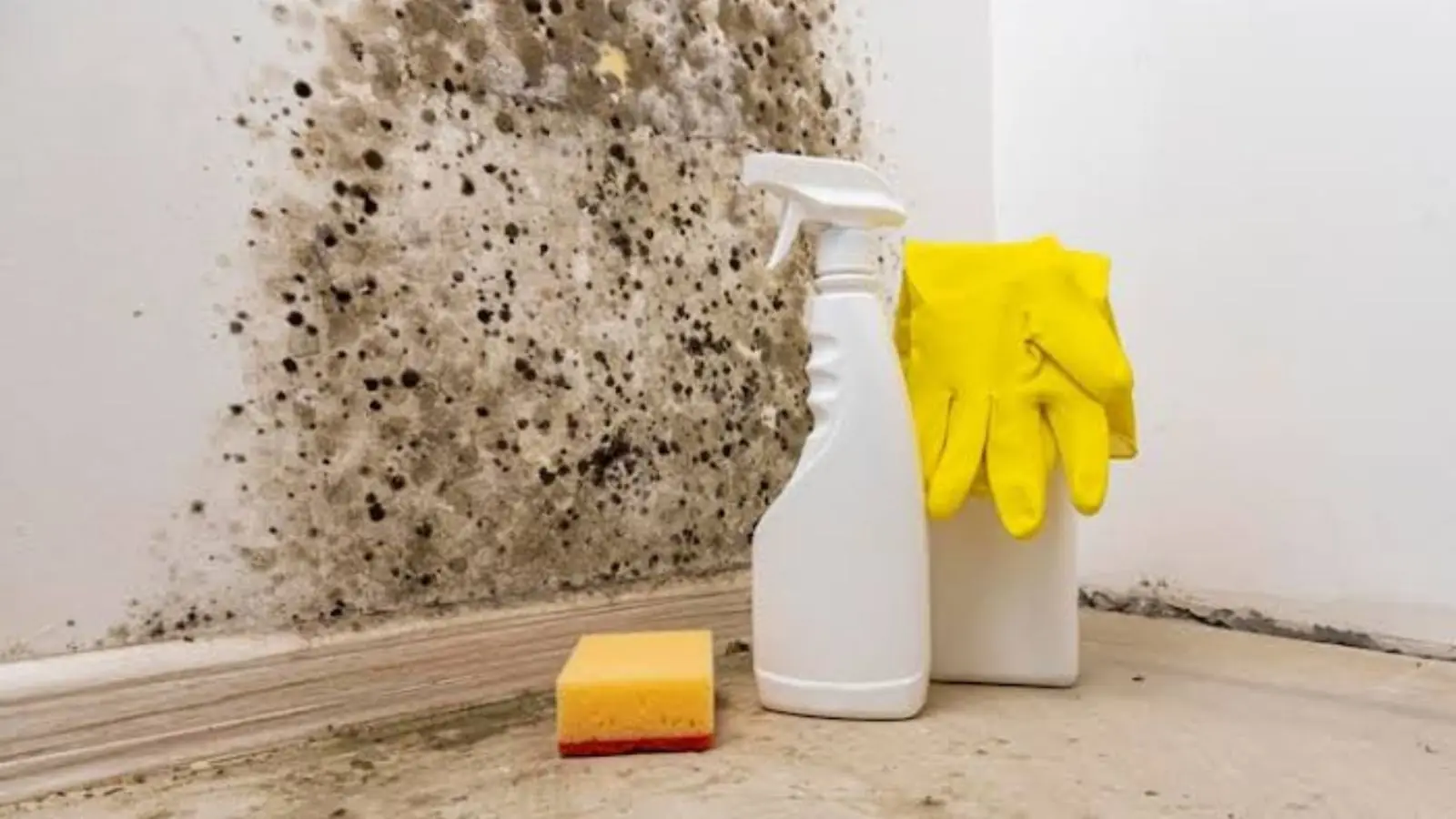
Dark spots on shower caulk, grout lines and the lower edge of a curtain are some of the most common household mold complaints. They show up because a shower is warm, damp and slow to dry.
The good news is that surface growth on hard, sealed surfaces is usually a cleaning job rather than a restoration job. This guide covers what to use, how to do it, what to replace and how to tell when the mold is telling you something about the walls behind the tile.
It focuses on practical steps and avoids health claims. If you have a question about how mold affects a person, a physician is the right person to ask.
What You Need
- Rubber gloves, safety glasses and a mask rated for dust.
- A soft brush, an old toothbrush and non-scratch pads.
- A basic cleaner meant for bathrooms, or a mix of white vinegar and water in a spray bottle.
- Microfiber cloths and a squeegee.
- Replacement caulk and a caulk gun, if the old caulk is stained through.
Open a window or run the exhaust fan while you work. Do not mix cleaning products. Bleach and ammonia-based cleaners should never be combined, and neither should vinegar and bleach. Pick one product, use it as the label directs and rinse before trying another.
Step by Step Cleaning
- Remove soap bottles, mats and curtain liners. Wash cloth liners in the machine and replace plastic ones if the staining will not come out.
- Spray the tile, grout and caulk with your cleaner and let it sit for the time on the label.
- Scrub grout lines with the toothbrush and flat tile with a soft brush. Work from the top down.
- Rinse thoroughly with clean water so no residue stays on the surface.
- Dry everything with a microfiber cloth and the squeegee. Leave the fan running or the door open until the room is dry.
- Check the caulk. If stains remain deep in the bead, plan to replace it.
Wearing gloves and keeping the room ventilated matters because cleaning products and loosened dust are unpleasant to work around. Take breaks if the room is small.
When Caulk and Grout Need Replacing
Caulk is porous over time. When staining is under the surface of the bead, scrubbing only lightens it. Cutting out the old caulk with a utility knife, cleaning and drying the joint and applying new mildew-resistant caulk is the right fix. Let the joint dry completely before the caulk goes in, and give the caulk the full cure time on the package before using the shower.
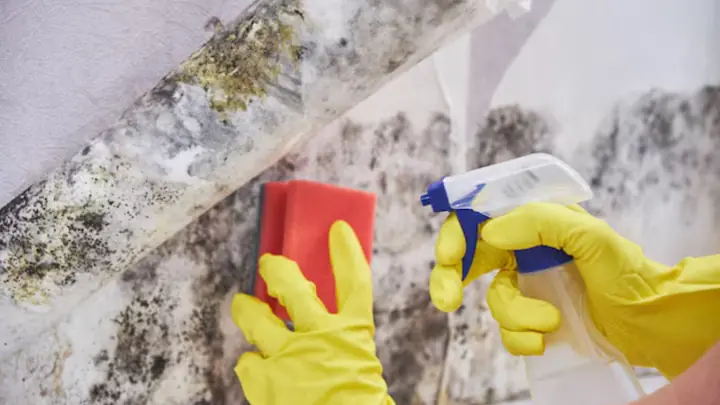
Grout is also porous. If it crumbles, cracks or stays dark after cleaning, regrouting or sealing it may be needed. A cracked line lets water behind the tile, and that is where a surface problem becomes a structural one.
| What you see | Likely approach | When to escalate |
|---|---|---|
| Spots on caulk surface | Clean and dry | If stains return in days |
| Stains deep in caulk | Replace the caulk | If the joint behind is soft |
| Dark grout lines | Scrub, then seal or regrout | If grout crumbles |
| Loose or hollow tile | Stop and call a pro | Water may be behind the wall |
| Soft or stained drywall near the shower | Stop and call a pro | Moisture inside the wall |
Surface cleaning is for hard, sealed surfaces. Soft or hollow spots mean the problem is deeper.
Signs the Problem Is Behind the Wall
A shower that grows mold again within a week or two of a good cleaning may have a moisture source you cannot see. Press on the tile near the tub edge and the corners. Tiles that move or sound hollow can mean the backing is wet. Soft drywall outside the shower, a musty smell that stays after cleaning or stains on the ceiling in the room below point toward water behind the surface.
In those cases, cleaning is not enough. A technician can take moisture readings to see how far the wet area goes. Persistent growth tied to hidden water is handled under mold remediation, and wet materials that need to come out are covered under water damage cleanup.
Shower mold keeps coming back? Call the line and describe what you see.
☎ Call (301) 936-0619Renters and Shared Buildings Near the University
The University of Maryland covers about 41 percent of College Park's surface, and the city has a lot of rental housing around it. If you rent, tell your landlord or property manager about shower mold in writing and send photos, especially if the problem returns after cleaning or the exhaust fan does not work.
Shared plumbing means a leak in one unit can reach another. Nearby towns such as Greenbelt and Hyattsville have a similar mix of older multifamily buildings.
Keeping the Shower Dry
Prevention is mostly about moisture. The EPA advises keeping indoor humidity below 60 percent, ideally between 30 and 50 percent. Run the exhaust fan during every shower and for twenty to thirty minutes afterward. A fan that rattles but moves little air is not helping, so hold a tissue to the grille and see whether it is pulled in.
- Squeegee the walls and door after each shower.
- Leave the curtain spread open so it dries.
- Hang towels outside the bathroom or on a rack that lets them dry.
- Fix dripping faucets and showerheads, which keep surfaces wet.
- Reseal grout once a year or as the manufacturer directs.
If the fan vents into an attic instead of outdoors, tell a contractor. Moist air released into an attic can wet the framing and insulation, and that is a different kind of mold problem.
Quick Checklist Before You Start
- Confirm the surface is hard and sealed, and that the wall behind it feels firm.
- Set up ventilation and wear protective gear.
- Test the cleaner on a small hidden area.
- Plan to replace caulk and liners rather than fighting stains you cannot remove.
- Photograph the area before and after, in case you need to show a landlord or insurer.
Check your policy and ask your insurer what applies if water or mold has reached the walls. Ongoing leakage is often treated differently than a sudden event.
Think water is behind the tile? Describe it to a technician on the 24/7 line.
☎ Call (301) 936-0619Reference Guidance on Small Mold Jobs
The EPA's mold guidance says hard surfaces can usually be scrubbed with detergent and water and dried completely. Anything larger than that, or mold that keeps returning, is where ANSI/IICRC S520 remediation practice applies.
Shower Mold Questions
Vinegar and water in a spray bottle works on many light surface spots. Let it sit, scrub, rinse and dry. Never mix vinegar with bleach or other cleaners.
Usually because the room stays damp. A weak exhaust fan, a curtain that stays bunched up or a leak behind the tile can all keep surfaces wet. If cleaning does not hold for more than a week or two, check for hidden moisture.
Replace it when stains run deep into the bead or it peels away from the tile. Remove all the old caulk, clean and dry the joint and apply mildew-resistant caulk.
Not always. Light surface growth on hard materials can be cleaned at home. Call if the wall is soft, tiles are loose, stains reach the ceiling below or the growth keeps returning.
Start by telling your landlord or property manager in writing, with photos. Repairs to plumbing, ventilation and walls are generally the property owner's side, but your lease and local rules decide the details.